

Last Updated: October 25, 2026
Quick Summary
To maintain cricket bat willow, oil the exposed face and edges with two or three thin coats of raw linseed or specialist bat oil, never standing the bat in oil, then knock it in for six to eight hours. Protect the face, edges and toe with an anti-scuff sheet, edge tape and toe guard, and store the bat flat in a cool, dry place away from heat.
- Oil a new bat with two or three thin coats, leaving twenty-four hours between coats.
- Knock in a new bat gradually over six to eight hours, starting with light edge taps.
- Wipe a wet bat dry and let it dry slowly for 24 to 48 hours before play.
- Store the bat flat or hanging in a cool, dry place, never leaning on the toe.
- English willow needs moderate oiling and 6-8 hours of knocking in; Kashmir willow needs less.
Table of Contents
- Why Cricket Bat Willow Needs Care Before and After Every Match
- How to Oil a Cricket Bat Without Over-Oiling the Willow
- How to Knock In a Cricket Bat Before First Use
- Protecting the Face, Edges and Toe of Your Willow Bat
- What to Do If a Cricket Bat Gets Wet
- How to Store a Cricket Bat to Keep the Willow Sound
- English vs Kashmir Willow: Care Differences That Matter
- Spotting Damage Early and Knowing When to Repair
- Frequently Asked Questions
Why Cricket Bat Willow Needs Care Before and After Every Match
Willow is a soft, fibrous wood. That is exactly why it performs. It also means a cricket bat willow bat responds to moisture, heat and impact in ways a plastic or composite bat never will.
A retailer estimate suggests an English willow bat used two to three times per week, with proper oiling, toe-guard protection and careful storage, should last two to four seasons (Top Cricket Store bat maintenance guide). Miss those steps and the same bat can crack inside a single season.
Here is the good news. Bat care is a short, repeatable routine. Below, we walk through seven steps, from oiling and knocking in to storage and repair thresholds, so you know exactly what to do and when.
How to Oil a Cricket Bat Without Over-Oiling the Willow
Oiling keeps the willow supple. It does not make the bat stronger.
Kookaburra recommends raw linseed or specialist bat oil for natural-faced bats to maintain moisture, and warns against over-oiling or standing the bat in oil (Kookaburra bat care and preparation guide).
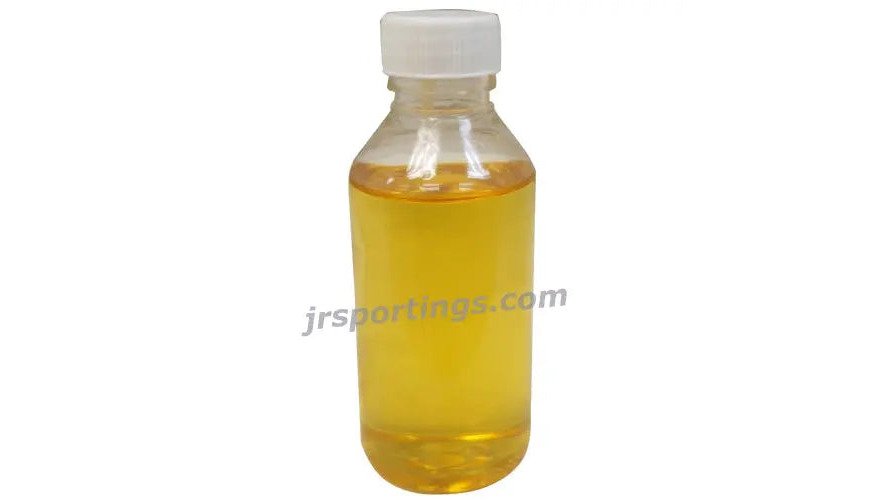
Our method is simple and repeatable:

- Wipe the bat face clean with a slightly damp cloth and let it dry fully. Oil will not penetrate a dusty or damp surface evenly.
- Pour a small amount of JR Bat Oil onto a soft cloth, not directly onto the bat. A coin-sized patch on the cloth is enough for one coat on a new bat face.
- Work it into the face and edges in thin coats, avoiding stickers and the splice. Use circular strokes on the face and short strokes along the edges so oil reaches the exposed grain.
- Leave the bat flat to dry in a cool room, away from direct heat. Twenty-four hours between coats is a safe interval; the willow should feel dry to the touch, not tacky, before the next coat.
How Much Oil and How Often
Two or three thin coats on a new bat is enough. After that, oil only when the willow looks pale and dry, usually once a season for regular players. A bat used two to three times per week in a dry climate may need a light top-up mid-season; a bat stored in a humid garage may need none.
Signs you have over-oiled:
- The face feels soft or spongy under a thumbnail rather than firm.
- Oil sits on the surface instead of soaking in after 24 hours.
- The toe or splice feels heavier or darker than the rest of the bat.
Watch out: leaving a bat standing in oil softens the toe and splice. That is how bats fail early. If you suspect over-oiling, stop all oiling for the rest of the season, store the bat flat in a cool dry room, and let it dry out slowly. Do not try to reverse it with heat.
Oil and Protective Finishes
If your bat has an anti-scuff sheet, clear coating, or factory-fitted face tape, do not oil over it. Oil cannot reach the willow through the finish, and it can lift the adhesive or cloud the coating. Oil the exposed edges and any raw willow around the sheet only, and follow the finish manufacturer's instructions for cleaning. Bats with a full factory coating may need no oil at all until the coating wears through.
How to Knock In a Cricket Bat Before First Use
Knocking in is the process of compressing the willow surface with a mallet so it can absorb ball impact without splitting. Skip it and you risk a crack in the first net session.
Work gradually over six to eight hours, not one long afternoon:
- Start with light taps along the edges, using the rounded side of a mallet.
- Move to the face, working from the middle outward.
- Increase force slowly over several sessions.
- Finish with throw-downs at low pace before facing a hard ball.
Protecting the Face, Edges and Toe of Your Willow Bat
Protection is cheaper than repair. Retailer guidance commonly lists a protective facing or bat tape as a core part of bat care (Magnus Sports bat knocking and maintenance guide).
Three add-ons do most of the work:
JR Plain Anti Scuff Sheet Face Mask – Transparent Cricket Bat Protection Sheet →
- Anti-scuff sheet: shields the face from surface wear. Our JR Plain Anti Scuff Sheet Face Mask - Transparent Cricket Bat Protection Sheet applies easily and keeps the grain visible.
- Toe guard: the toe takes the most abuse from yorkers and damp ground. A bat toe protector is the cheapest insurance on the bat.
- Edge tape: reinforces the edges and can cover minor repaired areas.
Apply all three to a clean, dry bat. Trapped moisture under a sheet is worse than no sheet at all.

What to Do If a Cricket Bat Gets Wet
Act fast. Willow soaks up water quickly, and a wet bat that dries too fast will crack.
- Wipe off surface water with a dry cloth immediately.
- Pat the toe dry, since it absorbs the most.
- Lay the bat flat in a cool, dry room, away from radiators, heaters or sunlight.
- Let it dry slowly for 24 to 48 hours before play.
- Re-oil lightly once fully dry if the willow looks pale.
Do not use a hairdryer, an oven or a hot car. Rapid drying pulls moisture out unevenly and splits the grain. Zee Sports makes the same point in its care guidance: store bats cool and dry, away from direct sunlight and extreme heat (Zee Sports cricket bat care guide).
How to Store a Cricket Bat to Keep the Willow Sound
Storage is where good care quietly unravels. A bat left in a hot car or a damp garage will lose the gains from every oiling session.
Follow these rules:
- Keep the bat in a bat cover or case with a breathable liner.
- Store it flat or hanging, never leaning on the toe.
- Choose a cool, dry place with steady humidity.
If you play weekly, check the bat every month. If it sits unused for months, check it at the start and end of each season.
English vs Kashmir Willow: Care Differences That Matter
English willow is softer and more fibrous. It plays better but needs more careful oiling and a full knocking-in period. Kashmir willow is denser and harder.
| Feature | English Willow | Kashmir Willow |
|---|---|---|
| Oil needed | Moderate, 2-3 coats | Light, 1-2 coats |
| Knocking in | 6-8 hours | 3-5 hours |
| Main risk | Surface cracking | Toe and edge splits |
| Best for | Regular match play | Practice and casual leagues |
Research into replacing willow with bamboo in cricket bats highlights surface hardness as a key performance factor (study in Proceedings of the Institution of Mechanical Engineers, Part P). That reinforces why protecting the face matters on both willow types.
Spotting Damage Early and Knowing When to Repair
Inspect your bat after every match. Run a thumb along the edges and look closely at the toe. Most serious bat damage starts as a mark you can see and feel before it becomes a crack you can hear.
Reading the Damage
Willow cracks behave differently depending on where they start and which way the grain runs. Use these descriptions to sort what you find:
- Surface marks and dents: shallow indentations on the face with no visible line. These are normal on a knocked-in bat and need no repair. Keep playing and monitor.
- Hairline surface cracks: thin lines that follow the grain and do not open when you flex the bat gently. Cover with edge tape or face tape and monitor after each session.
- Edge cracks that open under pressure: press the edge gently with your thumb. If the crack widens or you can feel movement, stop using the bat. This is a structural crack and needs professional repair before the next net session.
The Thumb and Flex Tests
Two quick checks after each match do most of the diagnostic work:
- Thumb test: run your thumb along both edges and across the toe with moderate pressure. You are feeling for soft spots, lifted grain, and cracks that catch your nail.
- Flex test: hold the bat at the handle and the shoulder and apply gentle bending pressure. Listen for creaks and watch the edges for cracks that open. Stop at the first sign of movement; do not force it.
Repair or Replace
Small fixes caught early cost far less than a replacement bat. As a rule of thumb:
- Surface marks, hairline cracks, and minor edge wear: tape and monitor, no repair needed.
- Edge cracks that open, toe splits, and lifted splice: professional repair.
- A crack that runs across the grain, a broken handle, or a splice that has separated: assess repair cost against bat value before deciding.
Our bat repair service handles cracks, toe damage and handle work. Bring the bat in as soon as you feel movement; a crack that is caught before it runs is usually a straightforward repair, while one that has spread into the splice or handle can cost more than the bat is worth.
Frequently Asked Questions
How often should you oil a willow cricket bat?
Most natural-faced bats need light oiling about every three to six months, or once at the start of the season plus a top-up mid-season if the willow looks dry. Kookaburra advises using raw linseed or specialist bat oil to maintain moisture, but warns against over-oiling or standing the bat in oil. Apply a thin coat to the exposed willow only, skip the stickers and splice, and let it dry fully before the next application.
What happens if a cricket bat gets wet?
Willow absorbs water, which swells the wood and can lead to cracks, a soft face or a warped blade. If your bat gets wet, wipe off surface moisture with a slightly damp cloth, then a dry one, and let it air-dry slowly in a cool, well-ventilated room. Never place it near a radiator, heater or in direct sun, because fast drying pulls moisture out unevenly and causes splitting. Zee Sports recommends cool, dry storage away from heat and sunlight for exactly this reason.
How do you knock in a new cricket bat?
Use a wooden mallet and work gradually. Start with light taps along the edges, then move to the face, spending extra time on the toe and the area where the ball usually makes contact. Keep the strikes light for the first few sessions and build up over roughly six to eight hours of total work. A new bat also benefits from a thin coat of oil first and a protective facing sheet once knocking in is complete, so the surface is not taking fresh impact unprotected.
How long should a well-maintained English willow bat last?
One retailer estimate suggests an English willow bat used two to three times per week, with proper oiling, toe-guard protection and careful storage, should last two to four seasons. That figure comes from a retailer guide rather than independent testing, so treat it as a rough guide. In practice, lifespan depends on how much you play, whether you face hard balls in the nets, and how consistently you dry and store the bat between matches.
