

Last Updated: November 21, 2026
Quick Summary
An anti scuff sheet is a thin, transparent film that covers the front face of a cricket bat to absorb ball knocks and prevent scratches, scuffs and surface wear on the willow. Choose a polyurethane film for flexible everyday protection, or a fiber anti scuff sheet for extra durability.
- Polyurethane sheets are about 0.3 mm thick, flexible, and conform well to the bat face curve.
- Fiber sheets are often 0.4-0.6 mm thick, firmer, and more resistant to scuffs and cracks.
- Clear protection tape suits reinforcing edges and minor repaired spots rather than full face coverage.
- Fit the sheet on a clean, dry face and press out bubbles from the centre outwards.
- Apply the sheet only after knocking-in and after any oil has fully dried, so it bonds properly.
Table of Contents
- What an Anti Scuff Sheet Does for Your Cricket Bat
- Materials and Construction: Polyurethane Versus Fiber
- Best Cricket Bat Anti Scuff Sheet Options Compared
- How to Fit an Anti-Scuff Sheet to a Cricket Bat
- Does a Sheet Affect Bat Performance and Feel?
- When to Replace Your Cricket Bat Anti-Scuff Sheet
- Choosing Your Sheet and Getting Yours from JR Sporting Goods
- Frequently Asked Questions
Choosing an anti scuff sheet for your cricket bat takes more thought than it first appears. A sheet that is too thin wears through quickly, while one that is too thick can change how the bat feels in your hands. This buying guide from JR SPORTING GOODS walks you through the materials, the options we stock, and how to fit and replace a sheet so your bat stays in good condition for the whole season.
What an Anti Scuff Sheet Does for Your Cricket Bat
An anti scuff sheet is a thin, transparent film that covers the front face of a cricket bat. Its job is to absorb the knocks from the ball and keep the willow underneath from picking up scratches, scuffs and surface wear.
Think of it as a shield you can see through. You keep the natural look of the willow, but the outer surface takes the daily punishment from practice and matches. A good sheet also helps the bat hold its appearance, which matters if you care about how your kit looks on the field.
Materials and Construction: Polyurethane Versus Fiber
Anti-scuff sheets are not all the same, and the material and construction determine how much protection you get, how the sheet fits, and how the bat feels. The two most common types are polyurethane and fiber, but there are also clear protection tapes and composite films that blur the line. Here is how they compare on the specifications that matter.
| Sheet type | Typical thickness | Coverage | Flexibility | Visibility | Durability | Relative price |
|---|---|---|---|---|---|---|
| Polyurethane film | Around 0.3 mm | Full face | High, conforms to curve | Clear | Moderate, wears with heavy net use | Low to mid |
| Fiber sheet | Often 0.4-0.6 mm | Full face | Low to moderate, firmer | Clear or slightly frosted | High, resists scuffs and cracks | Mid |
| Clear protection tape | 0.1-0.2 mm per strip | Edges and targeted spots | High | Clear | Low to moderate, replaced often | Low |
| Composite film | Varies, often 0.3-0.5 mm | Full face or partial | Moderate | Clear | Moderate to high | Mid to high |
Polyurethane sheets are flexible and conform well to the curve of the bat face. Fiber sheets are built to add a firmer protective layer. Our JR Fiber Anti Scuff Sheet Face Mask is designed to help prevent scratches and surface damage, extend the bat's lifespan, and maintain its appearance and performance.
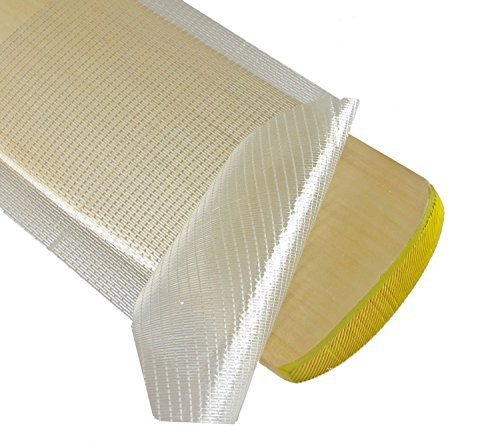
In short, a plain transparent sheet suits everyday use, and the fiber sheet suits players who want extra protection. Clear protection tape is best used for reinforcing edges and minor repaired areas.
Best Cricket Bat Anti Scuff Sheet Options Compared
We currently stock three protective products for cricket bats. Each serves a slightly different need, so compare them against how you play.
| Product | Starting Price | Type | Best For |
|---|---|---|---|
| JR Plain Anti Scuff Sheet Face Mask | $5.99 | Transparent protective sheet | Everyday training and match play |
| JR Fiber Anti Scuff Sheet Face Mask | $6.99 | Fiber protection sheet | Players who want extra durability |
| JR Clear Cricket Bat Protection Tape Roll | $14.99 | Transparent protection tape | Reinforcing edges and minor repairs |
Starting Price
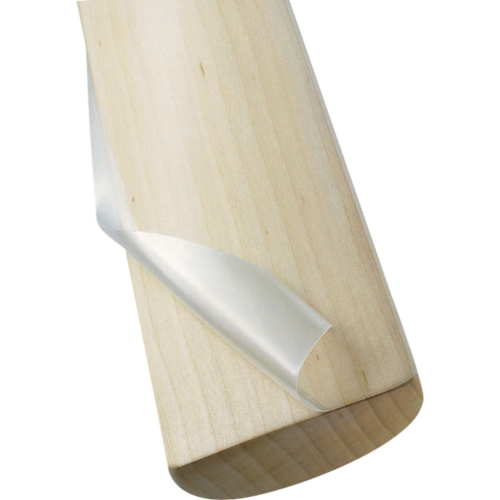
The JR Plain sheet is the most affordable option and suits most players for regular use. The JR Fiber sheet costs slightly more and is a good choice if you want extra protection. Both are designed to help protect the bat face and extend its lifespan.
Clear Cricket Bat Anti Scuff Sheet Versus Protection Tape
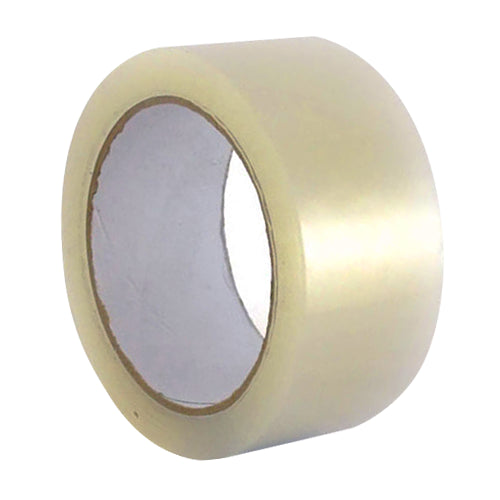
Many players ask whether a clear sheet or protection tape is the better choice. They do different jobs. A sheet covers the whole face and guards against scuffs across the striking surface. Protection tape is applied in strips and works best on vulnerable spots such as the edges, or on small areas that have already started to crack or splinter.
Our JR Clear Cricket Bat Protection Tape can be used for reinforcing minor repaired areas. If you need overall face coverage, a sheet is the better option. If you only need to guard the edges or a specific weak spot, the tape is the more economical choice.
How to Fit an Anti-Scuff Sheet to a Cricket Bat
Fitting a sheet is simple, but a careful approach gives a cleaner result. Work in a dry, dust-free space and take your time with the alignment.
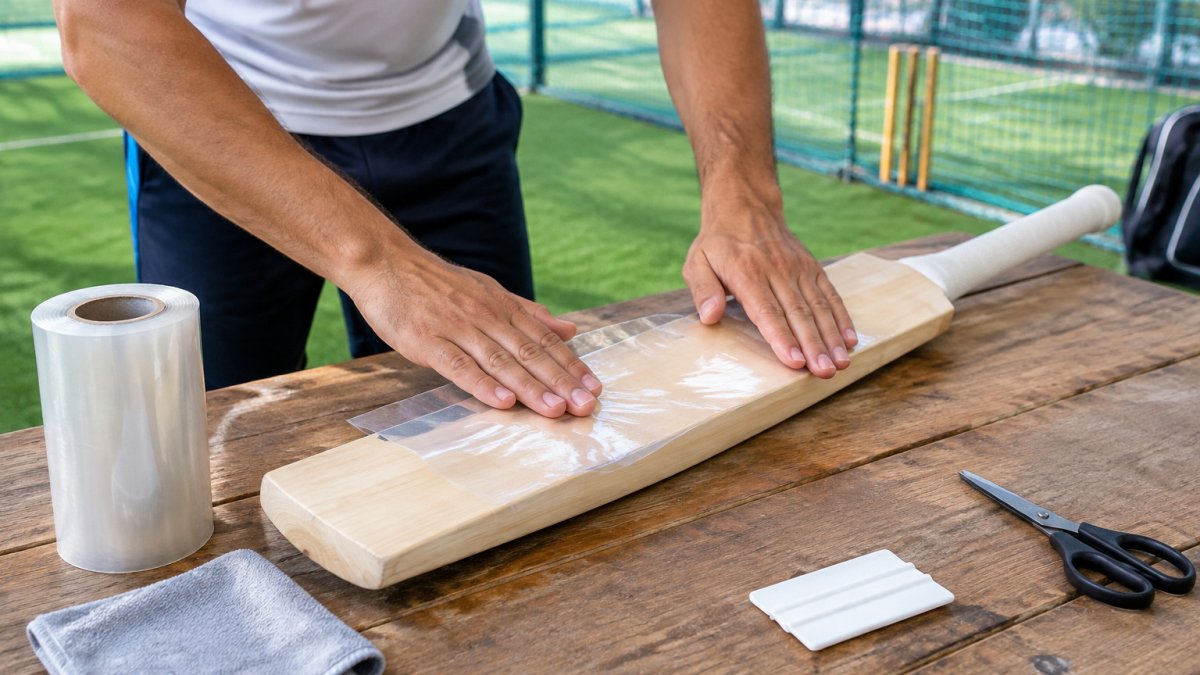
- Clean the bat face with a dry cloth to remove dust and oil. Make sure it is completely dry.
- Measure the sheet against the bat face, leaving a small margin at the edges for trimming.
- Peel back a small section of the backing and align it carefully with the top of the face.
- Smooth the sheet down from the centre outwards, pressing out any air bubbles as you go.
- Trim the excess along the edges with a sharp blade or scissors, keeping the cut clean.
- Press the edges down firmly so the sheet stays in place during play.
If you see bubbles or wrinkles, lift the sheet gently and reapply it. Rushing the job is the most common cause of a poor finish.
Does a Sheet Affect Bat Performance and Feel?
Weight and balance.
Sound and feel.
Compatibility with bat preparation. This is where sheets and bat care interact. If you are still knocking in a new bat, fit the sheet after the knocking-in period, because the sheet can mask the surface and make it harder to see how the willow is bedding in. If you oil your bat, apply the sheet only after the oil has fully dried, oil under the adhesive prevents the sheet from bonding. On natural willow, a clear sheet lets you keep an eye on the grain and any surface cracks; on pre-fitted or painted bats, check that the sheet is designed for that finish so removal does not lift the coating.
Willow type and face shape. Sheets are trimmed to fit, so coverage near the toe and edges depends on the bat's shape. A sheet that is too large for the face will wrinkle at the edges; one that is too small leaves the toe exposed. Measure the face and trim with a small margin, then press the edges down firmly.
When to Replace Your Cricket Bat Anti-Scuff Sheet
Once the sheet stops doing its job, the willow underneath is exposed again. Our repair versus buying new guide explains how to decide whether a worn sheet or the bat itself needs replacing.
Choosing Your Sheet and Getting Yours from JR Sporting Goods
Start by asking how you play. For everyday training and matches, the JR Plain Anti Scuff Sheet Face Mask at $5.99 is a good option. If you want more durability for heavy use, the JR Fiber Anti Scuff Sheet Face Mask at $6.99 is a good choice. For reinforcing edges and minor repairs, the JR Clear Cricket Bat Protection Tape Roll at $14.99 is worth a look.
Browse our full range of cricket bat protection on the JR Sporting Goods website and choose the option that fits your game.
Frequently Asked Questions
Do cricket bats need a scuff sheet?
A scuff sheet is not strictly required, but it is the most direct way to protect the bat face from ball impact, scratches and surface wear. Players who knock in a new bat and then use it regularly in nets or matches tend to see the most benefit. Whether to fit one, and when, is a choice players debate, so the decision should rest on how often and how hard the bat will be used.
What is the best anti-scuff sheet for a cricket bat?
The best choice depends on how you use the bat. JR Plain Anti Scuff Sheet Face Mask, priced from 5.99, is a transparent protective sheet for the bat face. JR Fiber Anti Scuff Sheet Face Mask, priced from 6.99, is a fiber sheet aimed at reducing scuffs, scratches and cracks from regular net and match play. Compare the material and your playing frequency before choosing between them.
How do you fit an anti-scuff sheet to a cricket bat?
Clean and dry the bat face fully, then position the sheet and align it with the edges before pressing it down. Smooth from the centre outwards to push out air bubbles and wrinkles. Trim any excess around the edges with a sharp blade so the sheet sits flush.
When should you replace a cricket bat anti-scuff sheet?
A damaged sheet no longer protects the bat face properly and can hide problems underneath. Check the sheet regularly during the season, particularly after heavy use or wet conditions, and remove and replace it if the adhesive has weakened or the film has worn through.
